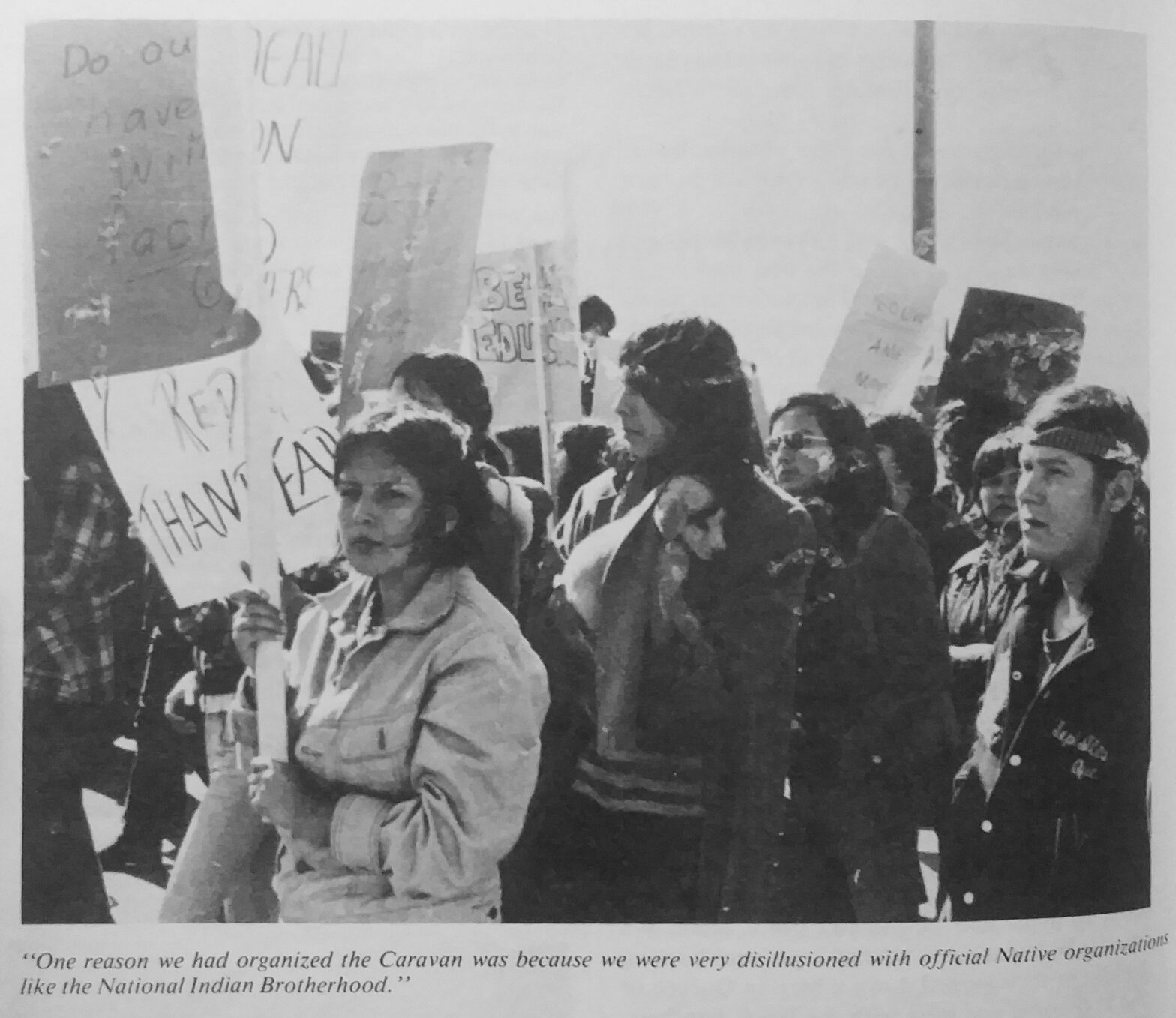
“It seemed that all we were ever going to accomplish was organizing more bureaucratic offices. Then something happened about a year ago — Wounded Knee — and things started happening all over the country.”


“It seemed that all we were ever going to accomplish was organizing more bureaucratic offices. Then something happened about a year ago — Wounded Knee — and things started happening all over the country.”
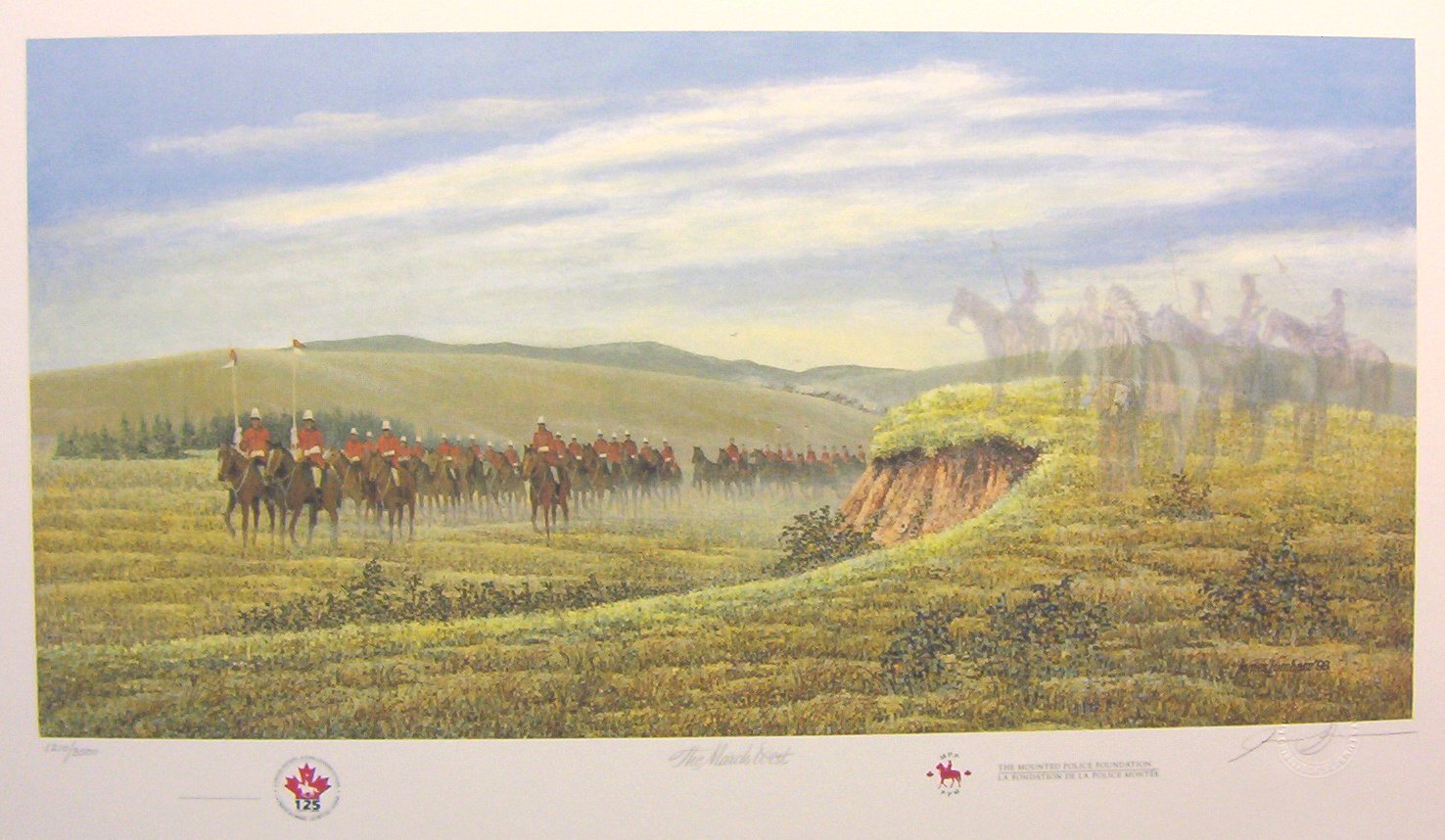
The RCMP may serve as Canada’s federal police force, but in relation to Indigenous peoples it is not so much a domestic policing agency as an occupying foreign army.
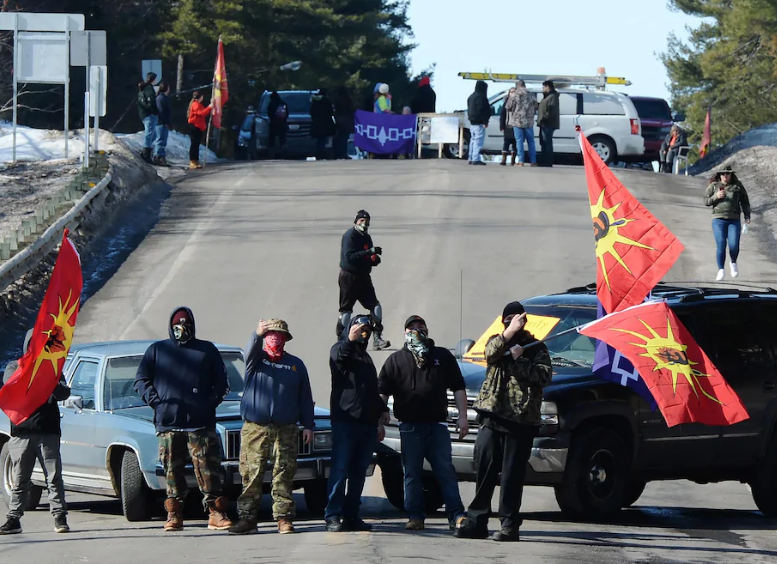
A collection of videos from the current wave of Indigenous resistance
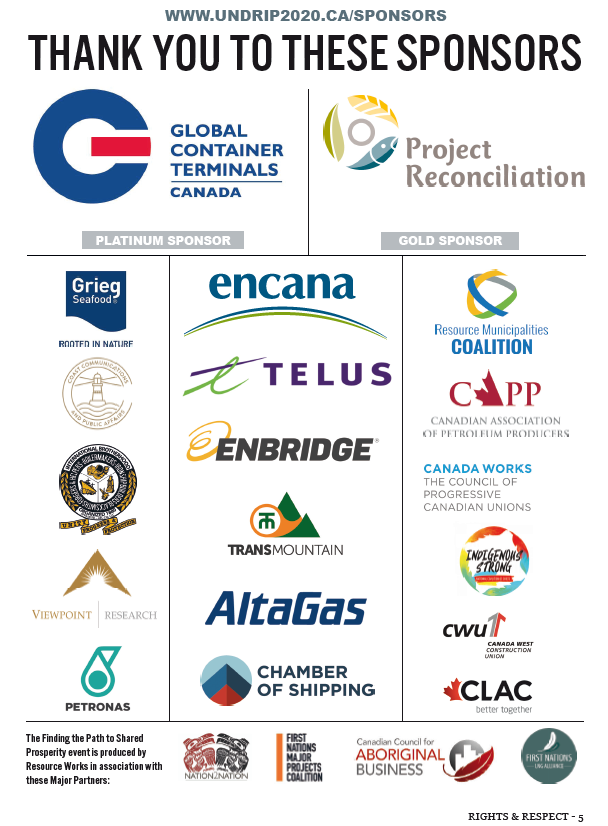
BC’s recent adoption of the United Nations Declaration on the Rights of Indigenous Peoples (UNDRIP) through Bill 41 was the subject of a major corporate conference at the Vancouver Convention Centre on January 14th, 2020, focused on the expanded business opportunities that have supposedly been unlocked in the Declaration’s wake.
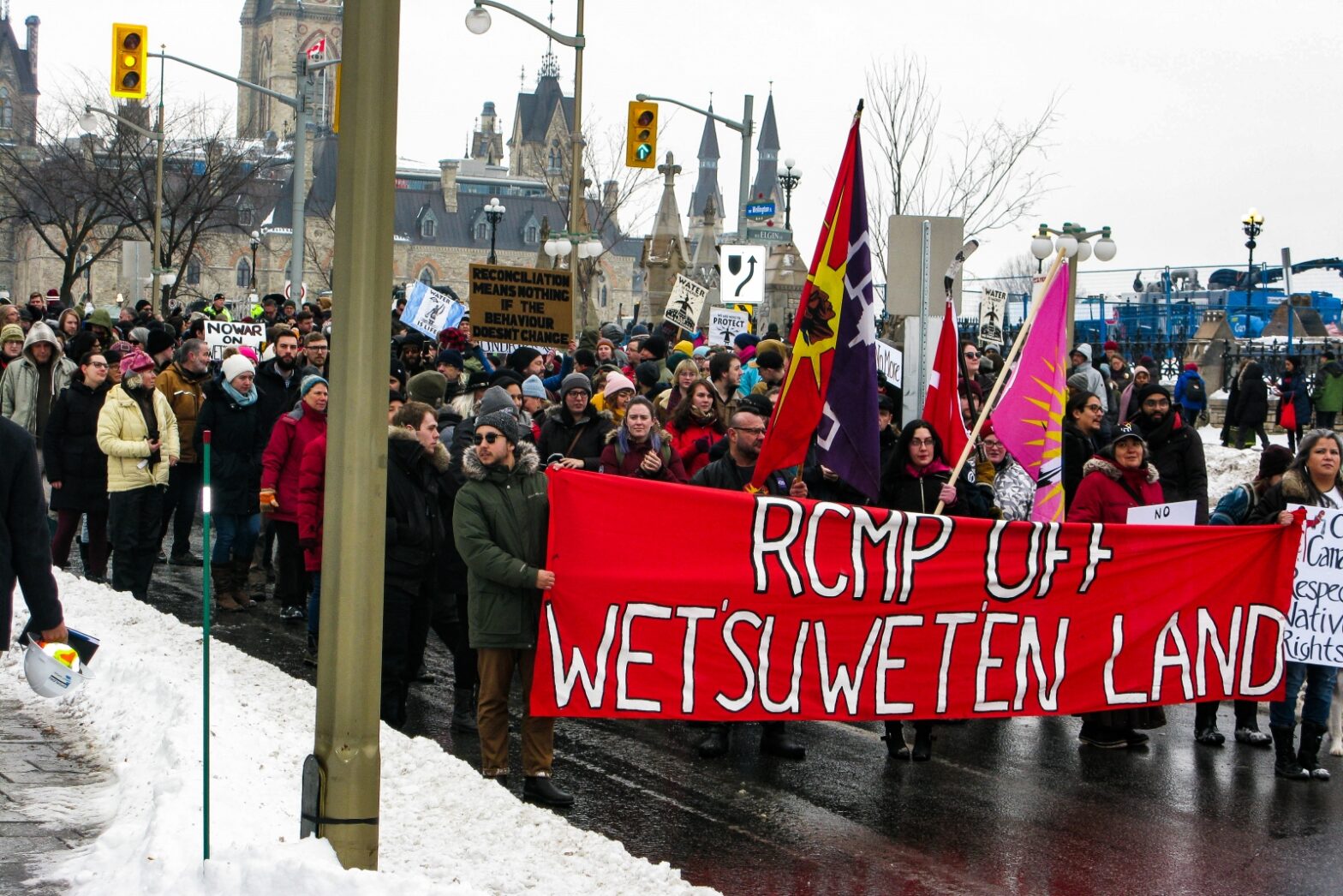
Contradictions are rife in the BC Supreme Court’s granting of a legal injunction against the Wet’suwet’en people and the BC government’s recent adoption of UNDRIP.
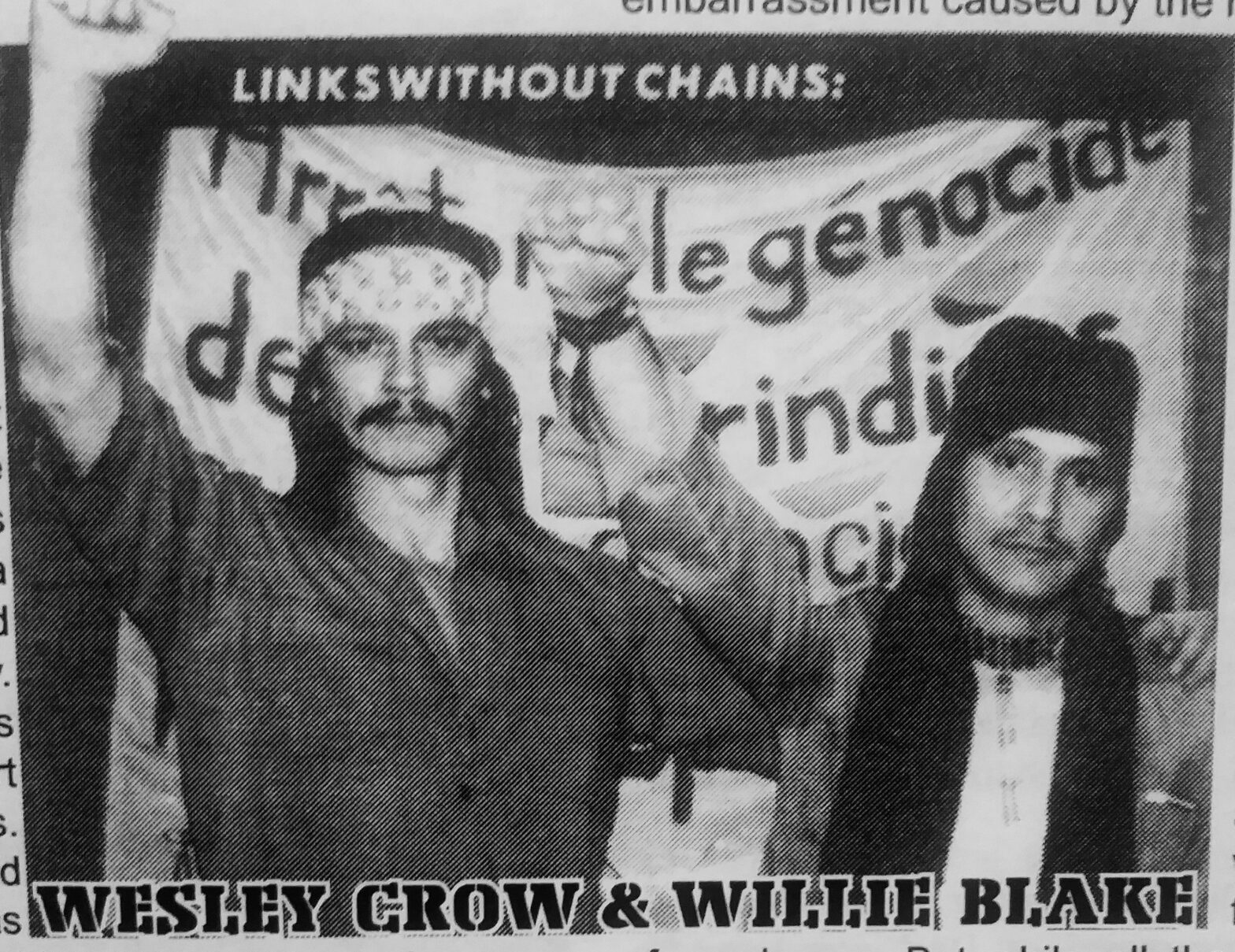
“When movement passes were introduced at P4W [Prison for Women] in 1982 or 1983, they echoed another history. Our ancestors were required to obtain passes from the RCMP or from the Indian Agent to travel off reserve. Now we required written permission to go up a flight of stairs or to move three feet from ‘A’ Range to the hospital. Our ancestors also understood that such laws were made to be broken.”
– Fran Sugar and Lana Fox
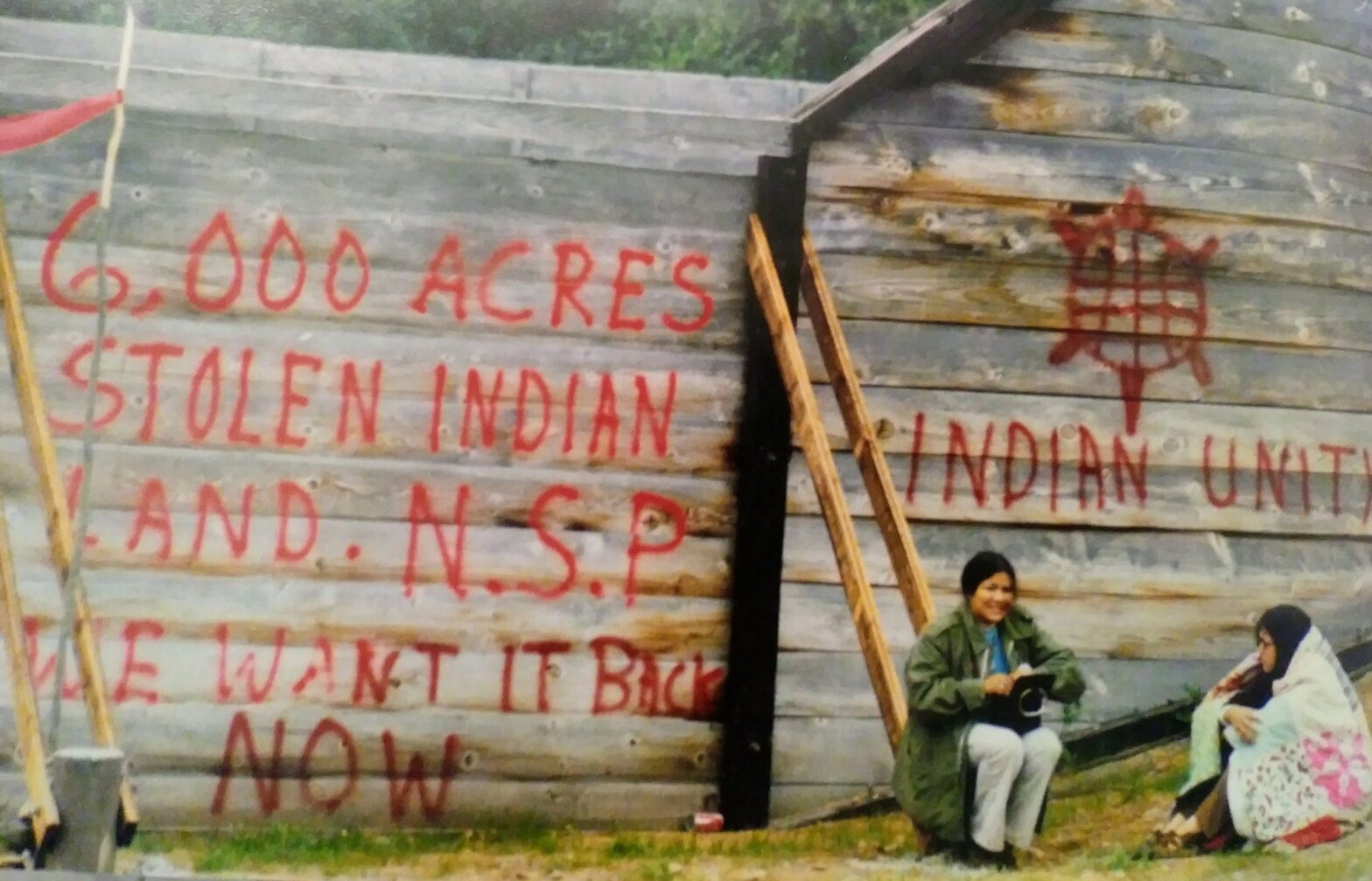
Land Back is truly a slogan whose time has come. A modern solution to a modern problem. How to boil down Indigenous sovereignty and liberation to its basic components. Memes, graffiti and tweets benefit from brevity. But the term Land Back, like everything else, has a certain ancestry.
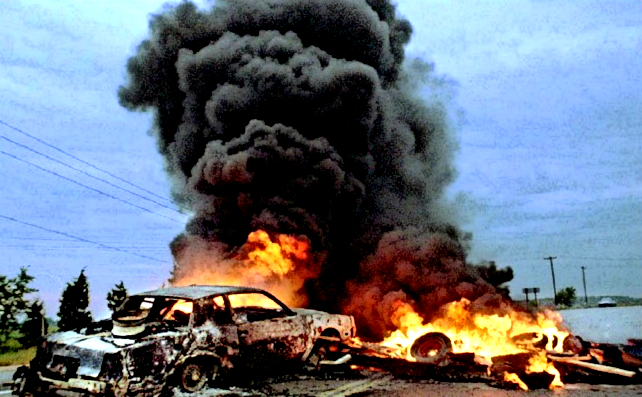
“The colonial world is a world cut in two. The dividing line, the frontiers are shown by barracks and police stations. In the colonies it is the policeman and the soldier who are the official, instituted go-betweens, the spokesmen of the settler and his rule of oppression.” – Frantz Fanon, The Wretched of the Earth, 1963
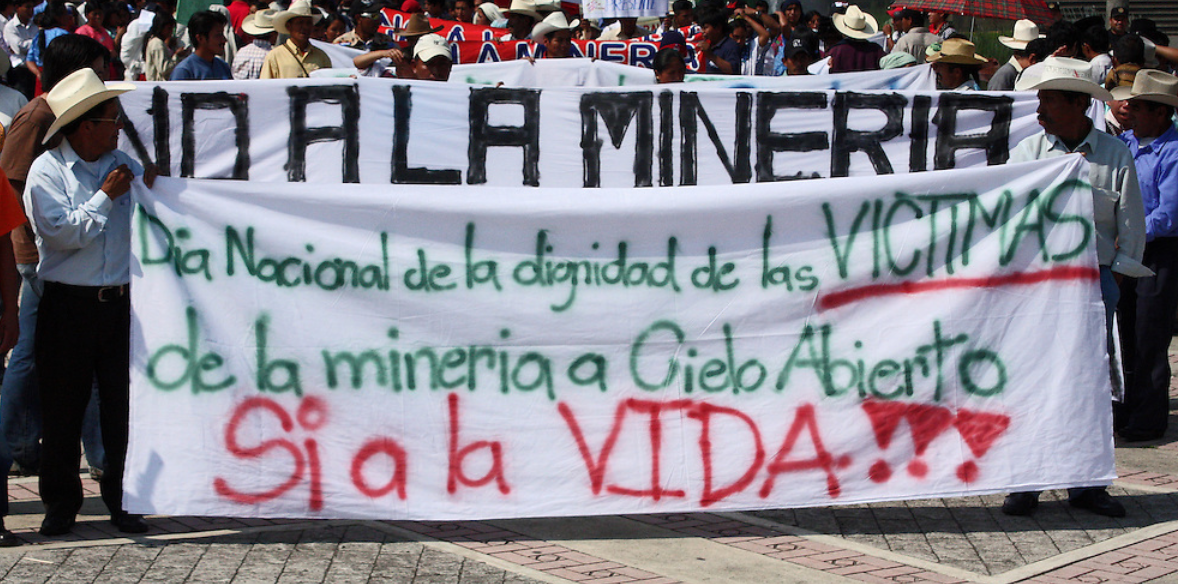
Indigenous anti-mining struggles, from Tahltan territory in northern British Columbia to Maya territory in Guatemala.
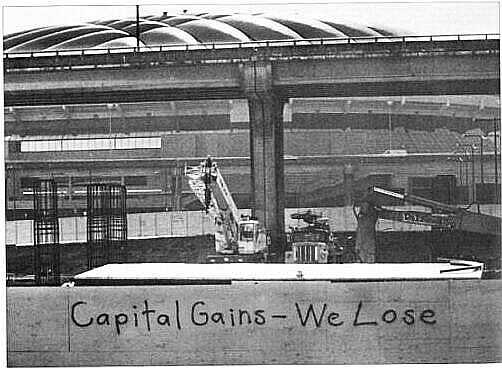
A brief and incomplete overview of the history of squatting in Vancouver, with a PDF newsletter for download and youtube video links related to the Frances Street and Woodwards squats.

In October of 2003, a massive social revolt overthrew the President of Bolivia, forcing him to escape to the United States. The uprising was the culmination of 500 years of Indigenous resistance to colonization and an escalating cycle of Indigenous insurrections which have swept the country in the past four years, involving a variety of tactics.
“People are capable of solving their own
problems,” she said. “We don’t need the
government to tell us what to do.”
“Capitalism often disguises itself as a friend, but Native people understand its true role. Many Native people don’t know the terms I am using, but they know the effects of all these things that are happening to them.”
“I believe it is the state, its institutions and structures that are at fault for the oppressive and deprived conditions of Aboriginal people.”
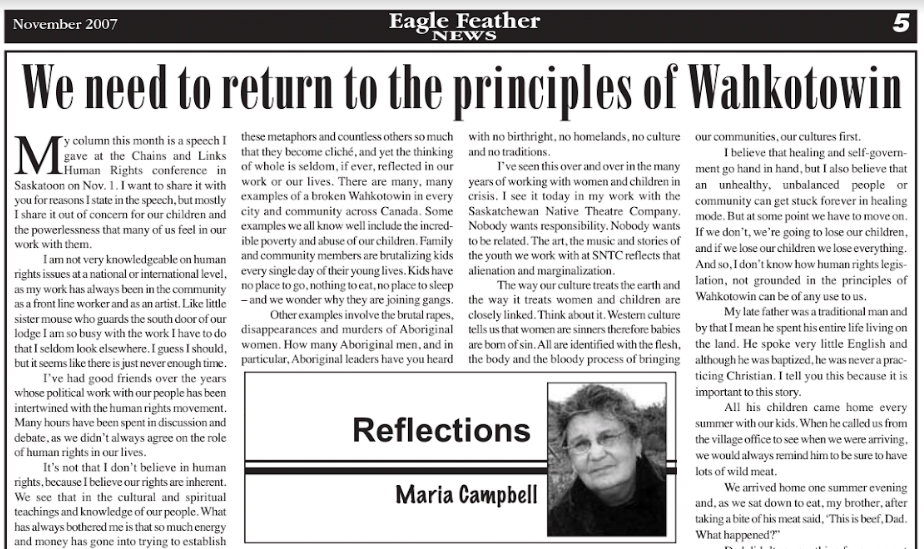
“There is a word in my language that speaks to these issues: ‘wahkotowin.’ Today it is translated to mean kinship, relationship, and family as in human family. But at one time, from our place it meant the whole of creation. And our teachings taught us that all of creation is related and inter-connected to all things within it.”
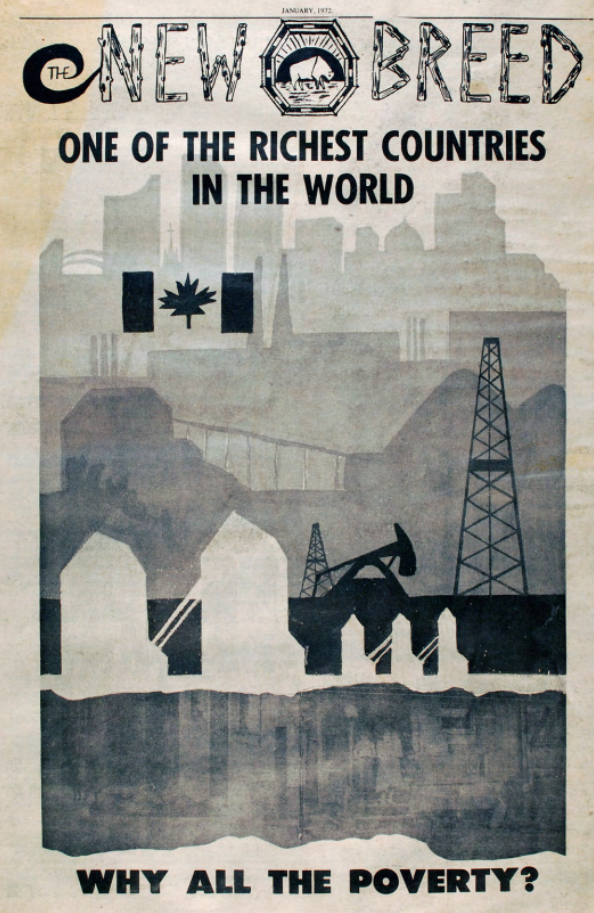
“Real changes and improvements for our people can not be obtained through parliament. It is a mistake and misleading to think that the white man’s government will ever bring any real freedom and equality to us.”
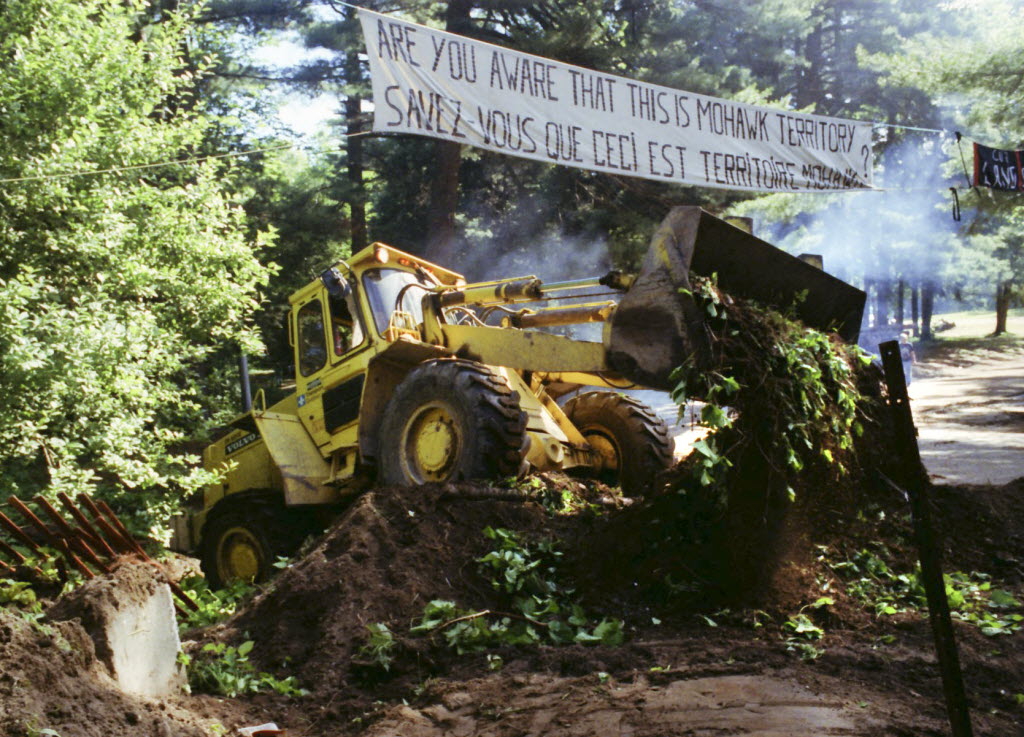
“Decolonization never takes place unnoticed. It happens under the glare of history’s floodlights. It is a complete calling into question of the total colonial situation.”
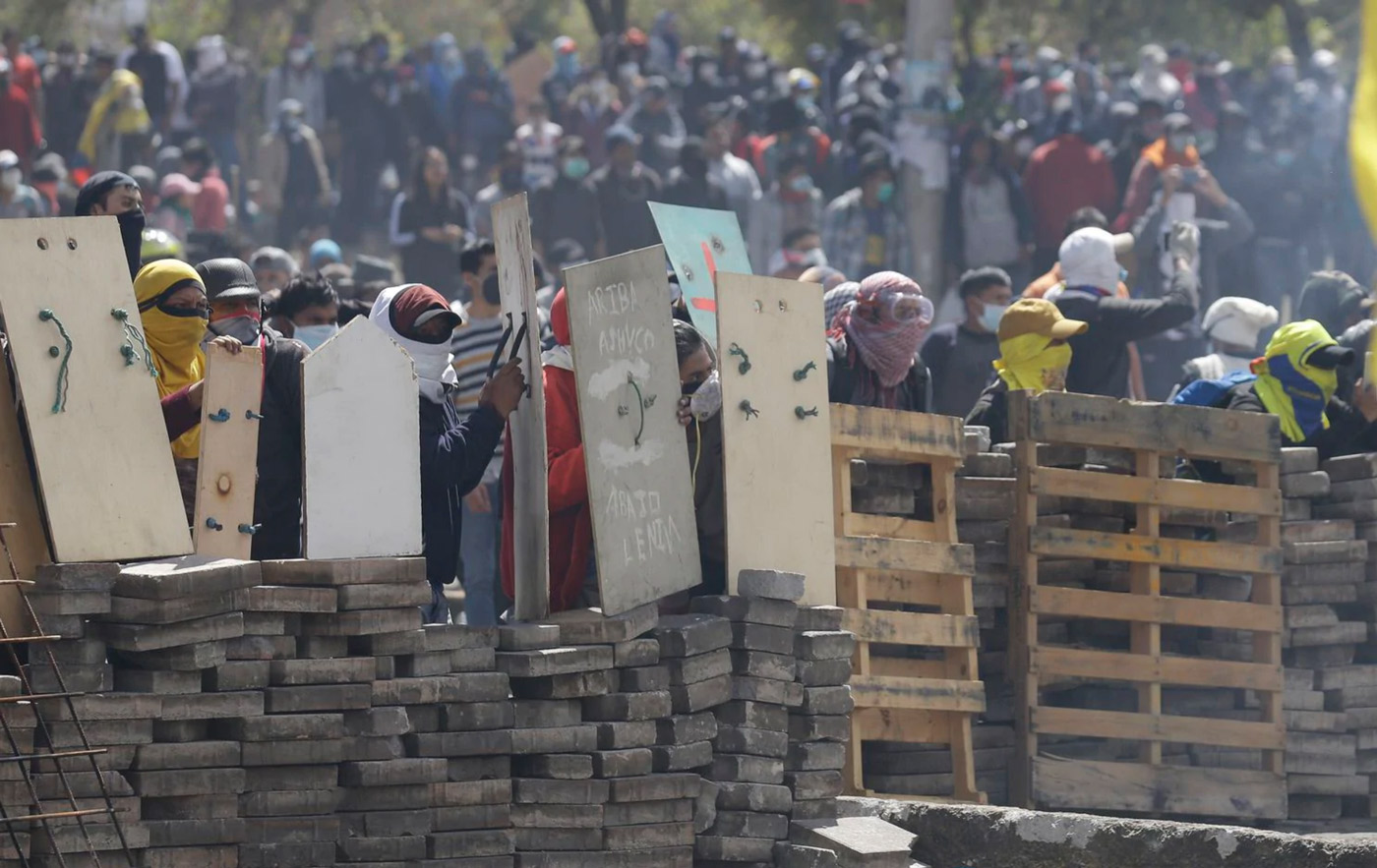
An overview of Indigenous resistance history in Ecuador, from the 1530s to 2006, in light of the 2019 uprising
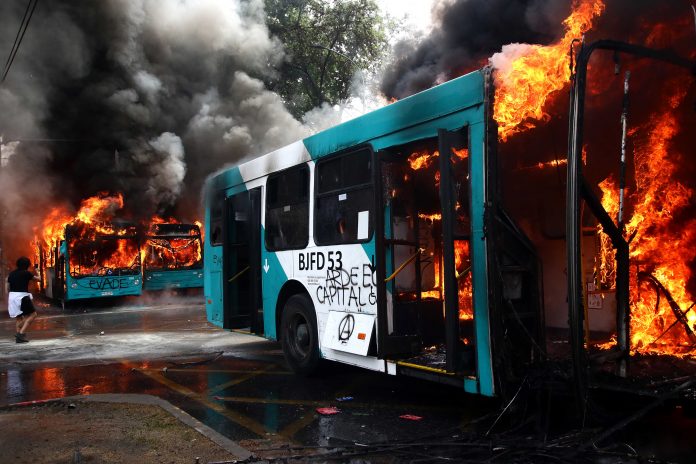
When people can’t afford to live anymore
Every day is Settler Day in a settler state
