In particular, Sismondi’s concept of capital, put forward in his 1819 book, New Principles of Political Economy, was a point of reference for Marx’s 1867 book, Capital Volume 1.
Categories
Capital as Automatic Subject
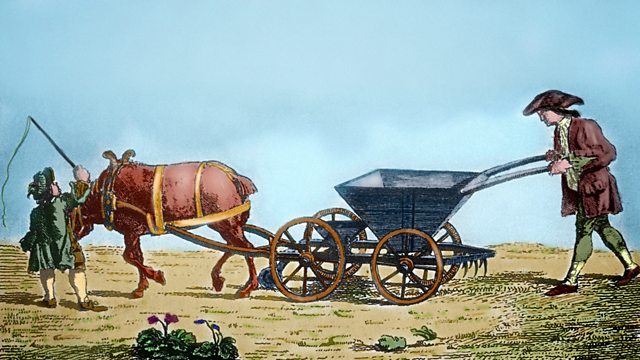

In particular, Sismondi’s concept of capital, put forward in his 1819 book, New Principles of Political Economy, was a point of reference for Marx’s 1867 book, Capital Volume 1.
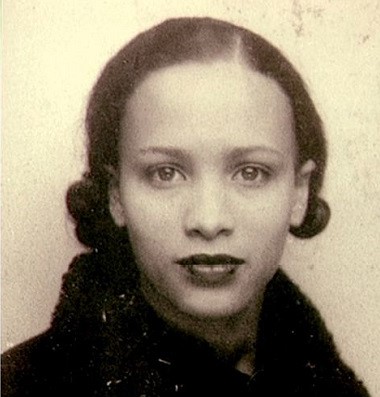
“Here at last the world of nature and things makes direct contact with the human being who is again in the fullest sense spontaneous and natural.”
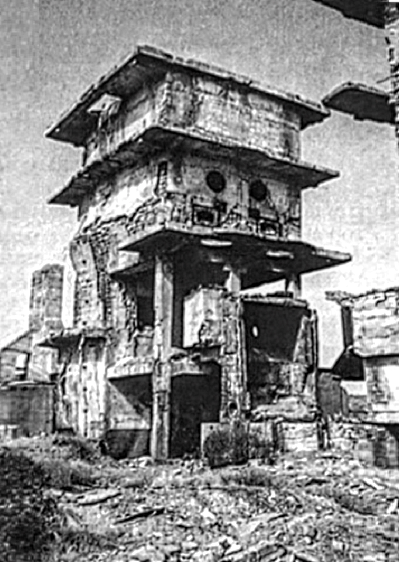
“Against the miserabilists (i.e., those who defend the domination of misery), we maintain a ‘return to traditional values’: generalized class-warfare!”
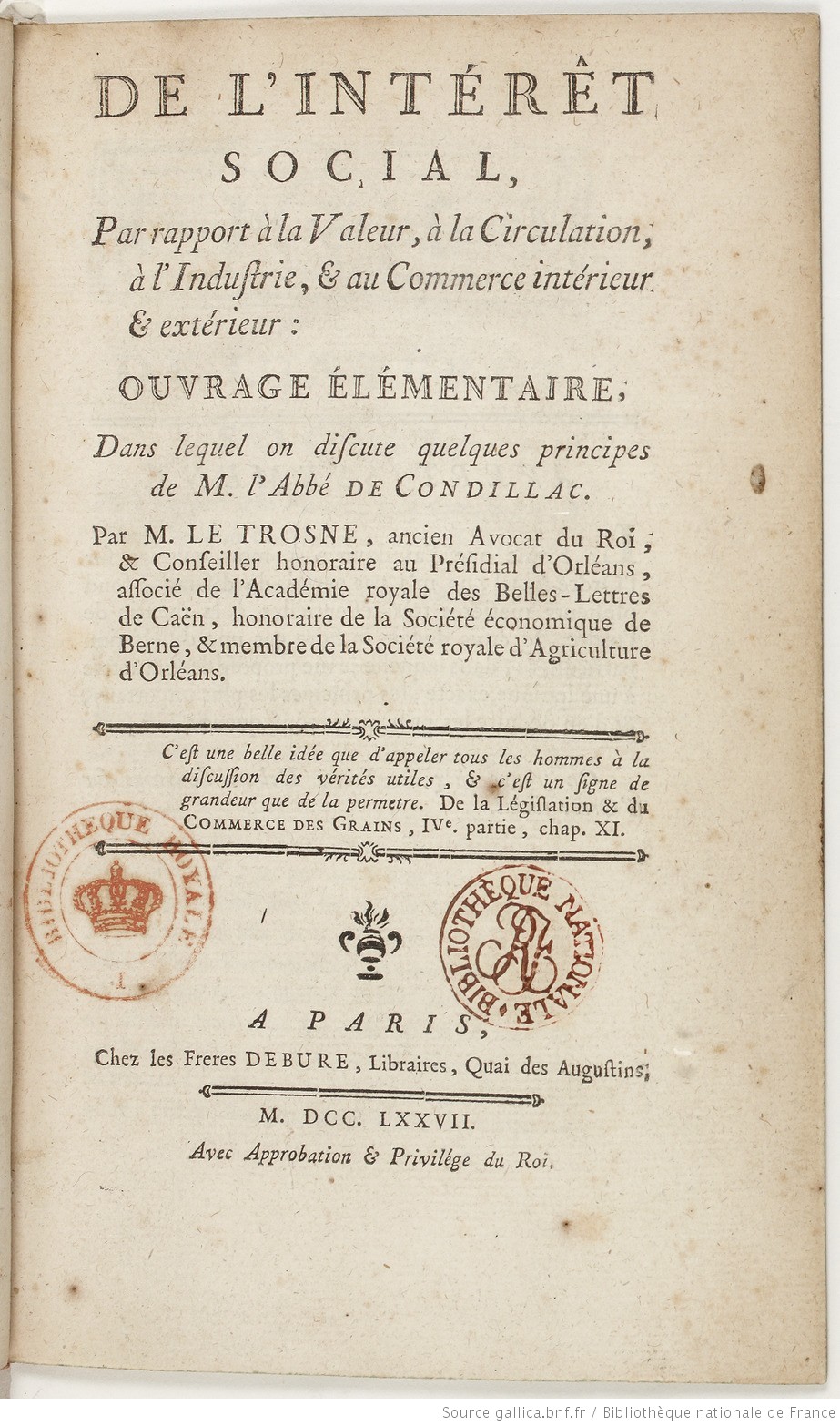
Marx’s choice might not have been coincidence, given that Le Trosne’s last determinant of value was commodities themselves.
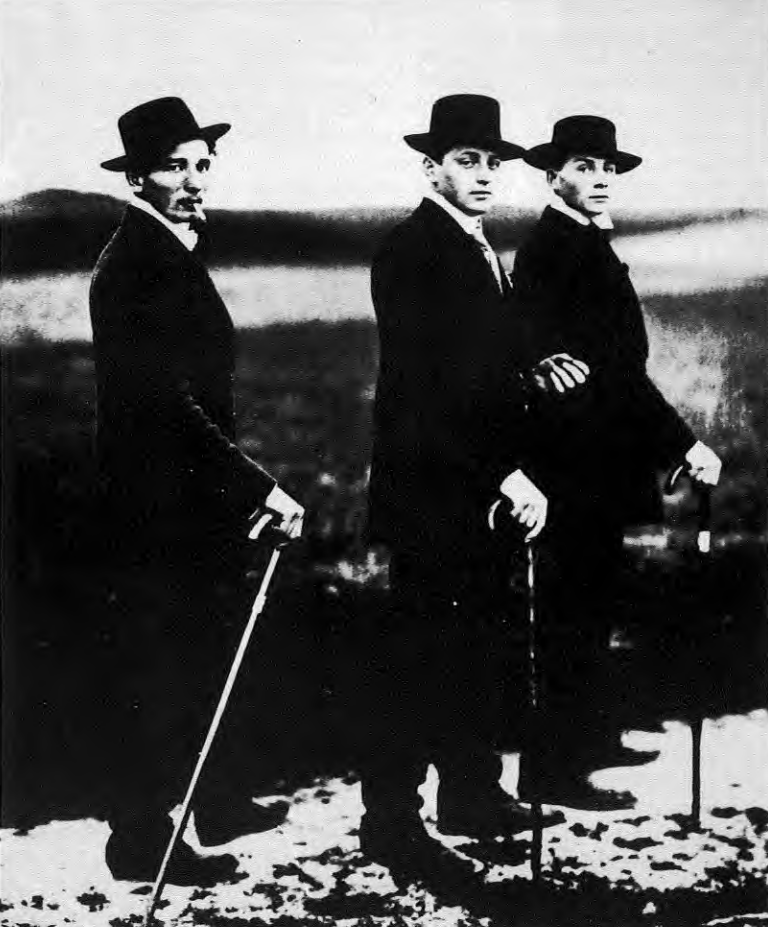
“Against the ‘alternative’ solutions proposed by the ecologists, we see the only way to approach the problem of ecological devastation is within the context of the subversion of all the relations and values on which the capitalist system is based.”
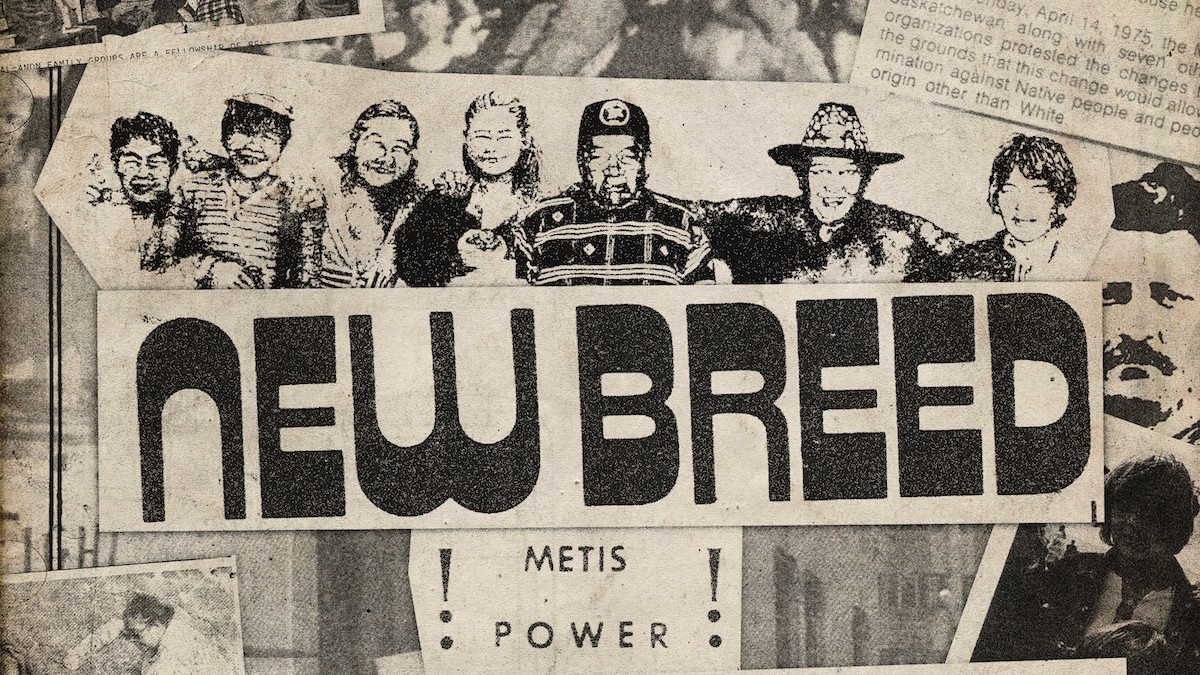
“In the ’70s and ’80s, Saskatchewan’s left was chronicled by two formidable magazines: New Breed and Briarpatch. This is the story of how they made grassroots media in Saskatchewan.”
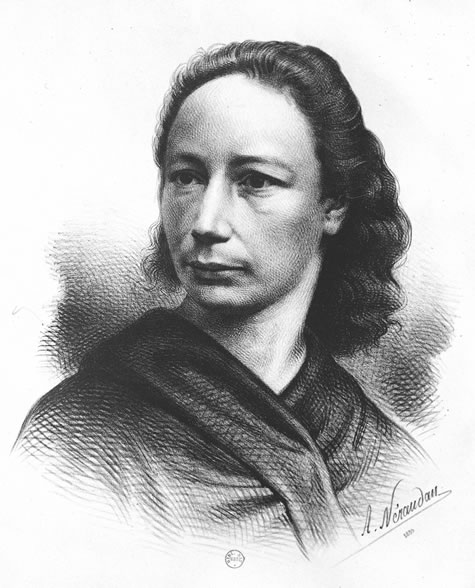
“Were I not an Anarchist of long standing, the Parliamentarian Congress in London would have made me one…”
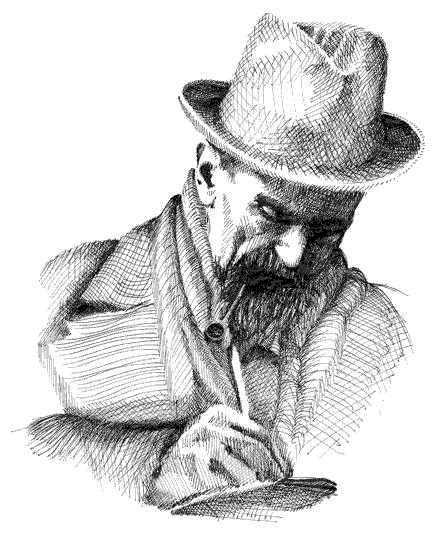
“We ask our friends: if it were a matter of liberating Trieste, would they go if the only way of doing so would be enlisting under the King’s colors or under Imbriani’s?”
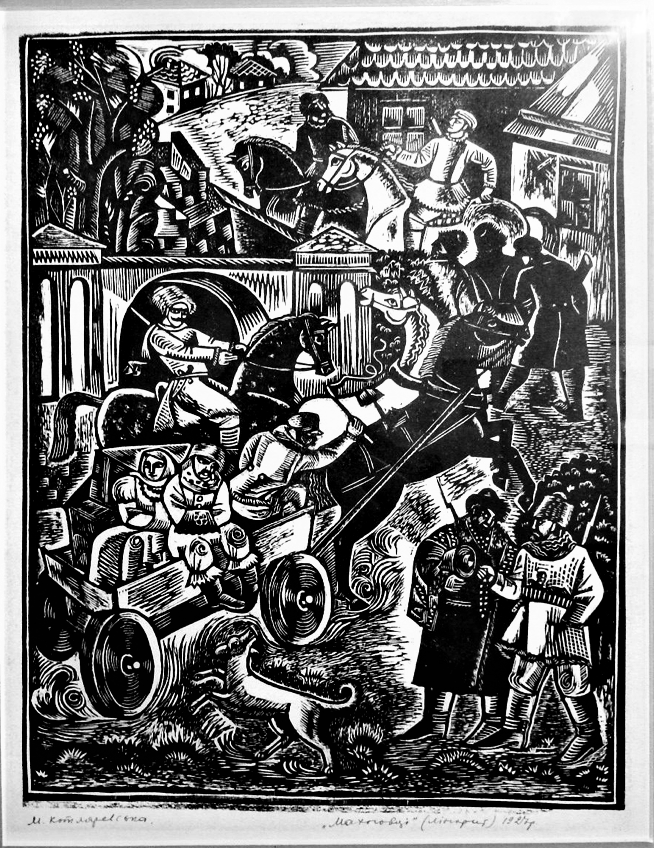
“…for the founding of free peasant communes, familiarizing the working rural masses with true communist life…”
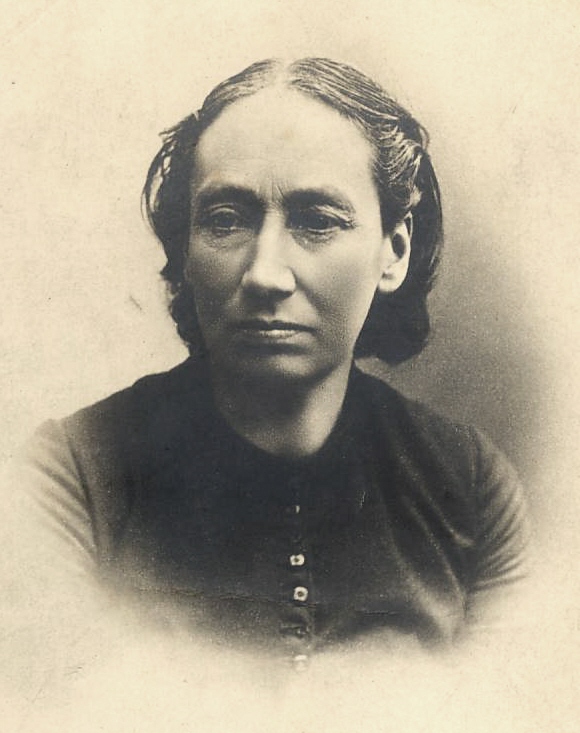
“In the struggles to come, one will not find such generous scruples any more, because with each popular defeat, the crowd is bled like the beasts of the slaughterhouse; what one will find, will be implacable duty.”
