
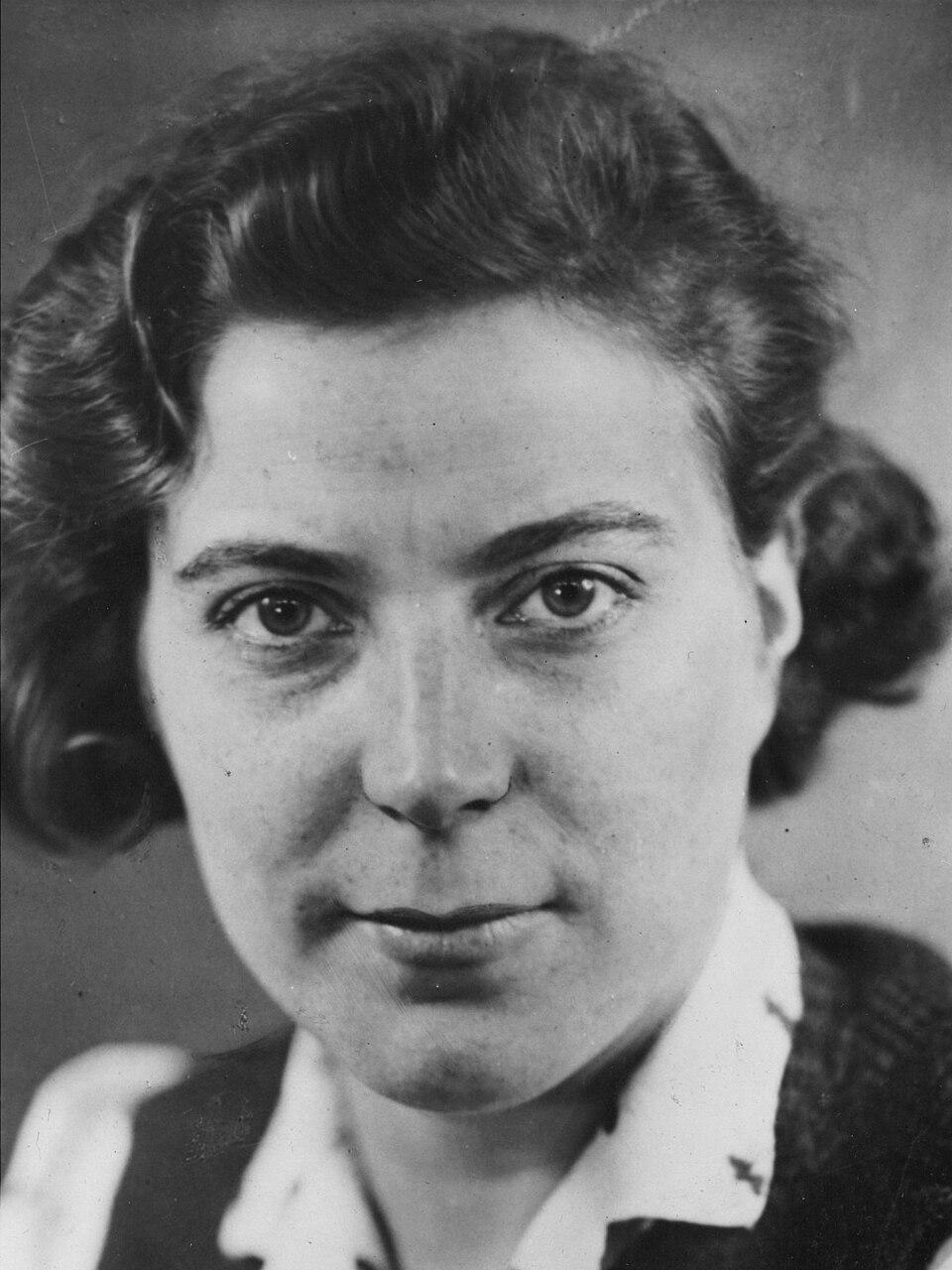
From a CNT–FAI radio speech made in Barcelona, then printed as a broadsheet in Glasgow, May 1st, 1937
I want to address myself to all those who in Britain and America — I put Britain first because I come from Britain and because one must mention some place first — are supporting the United Front campaign that is now being developed. That campaign, destined to cover up the real treachery of parliamentarism, is a campaign of petty political reform, which leaves their fundamental wage-slavery unrelieved, leaves their ready open victimisation and preparedness for war unaltered, but does promise soothing syrup for an hour, and it does divert attention from the Spanish struggle. Of course Spain is mentioned with a flourish in the speeches. At the mere mention of Spain is applauded. But the applause dies down, the effort for Spain is evaporated. But here in Spain the carnage of Labour continues. I want you to consider what parliamentarism and opportunism mean.
In 1914 there was the great war. I refer to the events from knowledge of the contemporary Socialist and Labour literature I have read. The war discovered a few thousand men in Britain who refused to serve, who refused to believe that it was a war for democracy and who believed that they had nothing in common with the war between nations. There were resisters in other countries, and when the United States of America entered the conflict there was a non-conscription movement there just as there was in Britain. Partly supporting these war resisters, arose a parliamentary movement urging an early peace by treaty, urging the end of secret diplomacy, urging the parliamentary or popular control of all democracy. Only a very few said peace did not matter, unless it was the peace of revolution.
The war ended in 1918. The parliamentary democrats, the enemies of secret treaties, progressed to public importance and then to office. You all know what happened. The Labour movement in Britain was wasted. Its enthusiasm passed. In office it continued the Conservative foreign policy of one hundred years, it built in secret diplomacy, it revelled in intrigue; and finally, the great leader of open diplomacy became Heaven’s gift to the Tory National Government. Parliamentarism destroyed Socialism.
In Russia, before the Armistice, Czarism passed. Kerensky passed. Bolshevism triumphed. But have you ever considered the period during which Anarchy prevailed in Soviet Russia, during which Syndicalism existed, during which Machno was defending the revolution as well as Trotsky? The period when comrades spoke of the Soviet power and not the Soviet Government. The period during which Lenin repudiated the age-long slanders of the anarchists, adapted himself to the language of direct action, and cried “All Power to the Soviets.”
Then came diplomacy. The treaty of Brest-Litovsk, the diplomatic status of the Soviet Government, the invasion of the workshops, the new economic policy, trade delegation, ambassadors, communications with royalties, inspection of foreign armies, the jailing of anarchists and Bolsheviks, more new economic policy, recognition of foreign debts, Socialism in one country, meaning entrenched neo-bureaucratic capitalism in one country, recognition of and extensive trading with the fascist nations, and now the desire to sabotage the Spanish Revolution. In Britain and America, the parliamentary United Front are urging a parliamentary democracy in Spain as opposed to the Workers’ Industrial Republic. Parliamentarism, Statism, destroyed the workers’ struggle in Britain, betrayed the General Strike, and would betray now the workers’ struggle in Spain, pioneered and saved by direct action, by syndicalism, by anarchism.
Comrades, reflect, before it is too late. I ask you to consider how Communist diplomacy in Russia recognised Chiang Kai-shek just before he drowned the Communist movement in China in a bath of blood. I ask you to recall what happened in Italy. In 1920, Malatesta, was publishing his great daily paper, syndicalism and anarchism were active, great strikes were occurring, but the parliamentary communists, inspired by Zinoviev, withheld support. The solidarity and power of the workers were sabotaged. Two years later, Fascism moved into power.
The anarchists and syndicalists do not strive for power. Lenin and Zinoviev wished to destroy Sovietism for Communist dominion. Zinoviev realised his dream. Its fulfilment was perfect. For the dream of Zinoviev realised was Zinoviev’s own execution.
The Spanish workers’ struggle would rouse you from your sleep, rouse you to the horror of reality, rouse you to a realisation of the blood and crime and hopeless misery of capitalism. With closed fists only the anarchists and syndicalists of Spain first walked down the enemy, Fascism. Comrades, we want your solidarity, we want your emancipation and our emancipation. The Red and Black Flag calls — calls to the renunciation or the desolating pestilence of authority, calls to action and to freedom. Comrades, brothers, fellow-workers, we, your comrades and brothers and sisters in Spain call. We are struggling, but we are beleaguered. We will conquer, even though it be death. With your marching to our aid, we can conquer and live. Our soil is fertilised with the blood of our heroic proletarian dead. How many more must fall before you rally? Comrades — Think, Act, Rally.
We end with the Spanish Salud, which means “Greetings”. We want that word to pass into all languages, a word full of blood and struggle. The greeting of comrades, comrades in struggle. The word of the Spanish Revolution. Comrades, Salud!
Also
What is Fascism? What is Democratic Colonialism?
Ethel MacDonald, by Working Class History
Ethel MacDonald archive at the Kate Sharpley Library
Parliamentarism, by Louise Michel (1896)
The Tragic Week in Catalonia, from Freedom (1909)
Anti-War Manifesto, by the Anarchist International (1915)
The Conquerors of Bread, by Anselmo Lorenzo (1915)
Call to Moroccan Proletarians, by Ahmed Ben Thami (1936)
Blood in Palestine, by Solidaridad Obrera (1936)
The Right of Peoples to Determine Themselves, by Solidaridad Obrera (1936)
Cowardly Policy Brought Moors to Spain, from Spanish Revolution (1936)
The Durruti Column Responds to the Militarization Decree, by Buenaventura Durruti (1936)
An Interview with Durruti about the Militarisation of the Militia (1936)
Militians, Yes! But Soldiers, Never!, by various Spanish anarchist militias (1936)
Why Moors Help Franco, by George Padmore (1938)
The Black Spectre of War, by Emma Goldman (1938)
“What Are We Fighting For?”, by Vernon Richards (1939)
This Is Not A War For Freedom!, by War Commentary (1939)
Mankind and the State, by Marcus Graham (1946)
The Myth of Benevolence, by Milan Rai (1995)
